Africa’s oil and gas sector stands at a critical crossroads. As the global economy shifts towards cleaner energy sources in response to climate change and sustainability concerns, African countries must balance their dependence on fossil fuel revenues with the need to adapt to a greener future. For decades, oil and gas have been cornerstones of economic growth and infrastructure development in key African nations. However, with new policies and investments steering the world towards renewables, the region faces both challenges and opportunities in navigating this transition.
Challenges Facing Africa’s Oil and Gas Sector
One of the most pressing challenges for African countries is the increasing global shift towards renewable energy. International regulations aimed at reducing carbon emissions, such as the Paris Agreement, have placed pressure on oil-dependent nations to diversify their energy sources. Many African economies, including Nigeria, Angola, and Algeria, rely heavily on oil exports for government revenue and foreign exchange. The anticipated decline in global oil demand could threaten these revenue streams, slowing economic growth and complicating fiscal policies.
Furthermore, the volatility of global oil prices continues to add economic uncertainty. Africa’s reliance on fossil fuels exposes it to external shocks, such as fluctuating demand and geopolitical risks, which often lead to boom-and-bust cycles. This has made long-term economic planning and investment in infrastructure difficult, particularly for resource-rich countries whose fortunes are tied to the global energy market.
Opportunities Amid the Energy Transition
Despite these challenges, the transition to cleaner energy offers African nations an opportunity to diversify their economies and attract new investments. The African oil and gas sector can leverage existing infrastructure and expertise to become part of the green energy solution. Investments in natural gas, seen by many as a transition fuel, could help African countries bridge the gap between fossil fuels and renewables. Natural gas is less carbon-intensive than coal and oil, and Africa holds significant reserves in countries like Mozambique and Tanzania. Developing these reserves could provide a more sustainable revenue stream while helping the continent meet its growing energy needs.
Moreover, African nations have the potential to become global leaders in renewable energy. With abundant solar, wind, and hydroelectric resources, countries like South Africa, Egypt, and Morocco are already making strides in renewable energy development. By investing in renewable energy infrastructure, African countries can position themselves as key players in the global energy market of the future, while reducing their dependence on oil and gas exports.
Policy Shifts and Investment in the Future of Energy:
Policy reforms are essential for Africa to successfully navigate the global energy transition. African governments need to implement forward-looking policies that promote investment in both the oil and gas sector and renewable energy projects. These policies should prioritize environmental sustainability, economic diversification, and energy access. Governments must also work towards creating a regulatory environment that encourages private investment and technological innovation in renewable energy.
New investments are also flowing into Africa’s energy sector, particularly in the realm of clean energy. International development organizations and private investors are backing projects that aim to expand access to electricity, especially in rural areas, using renewable sources. The shift to cleaner energy does not mean the end of oil and gas for Africa, but rather a diversification of the energy mix that could make the continent more resilient and competitive in the global market.
Sources and Quotes
- International Energy Agency (IEA): The IEA has stated that “Africa’s role in the global energy landscape is evolving rapidly. While oil and gas remain critical to many economies, the continent is well-positioned to capitalize on its abundant renewable energy resources and lead the energy transition.”
- OPEC Analysis on African Oil Production: According to the Organization of the Petroleum Exporting Countries (OPEC), “African oil production remains an essential component of global supply, particularly as demand in emerging markets continues to grow. However, long-term investment strategies must take into account the shift towards cleaner energy.”
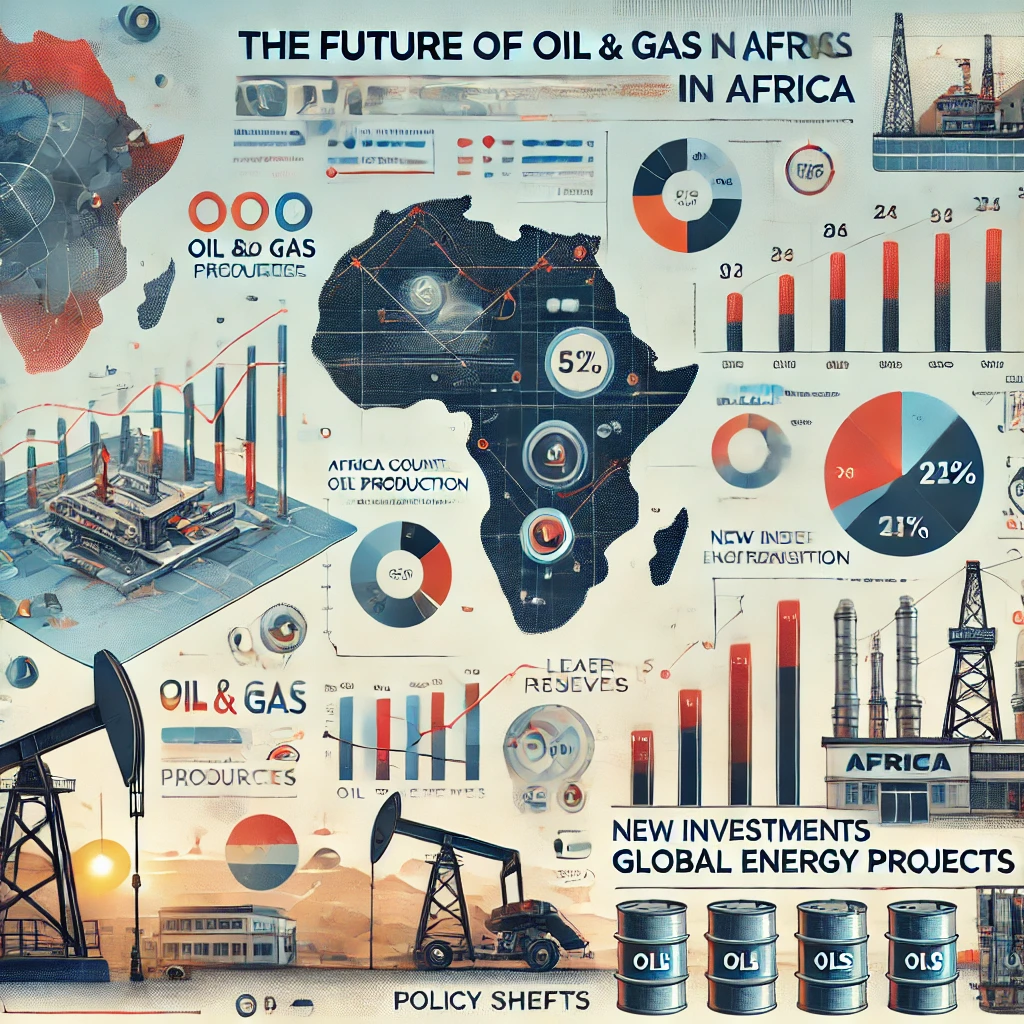
The future of oil and gas in Africa is intertwined with the global energy transition. As countries move towards cleaner energy, African oil producers face the dual challenge of maintaining their competitive edge in the fossil fuel market while also embracing new opportunities in the renewable energy space. With the right policies and investments, Africa can leverage its vast natural resources and expertise to play a pivotal role in both the traditional and green energy sectors, securing its place in the evolving global energy landscape.
Relevant Links
You can read further about the Oil and Gas in Africa using the following links